Restoring Natural Stone Surfaces: Understanding the Process
- michael cotto
- Jun 3
- 4 min read

Natural stone surfaces add timeless elegance and value to any property. Whether it’s the marble flooring in your grand foyer or the granite countertops in your yacht’s galley, these surfaces deserve the best care. Over time, even the most durable stones can lose their luster due to wear, weather, or accidental damage. That’s where the art and science of restoring natural stone surfaces come in.
Restoring these surfaces is not just about cleaning; it’s about bringing back their original beauty and protecting them for years to come. Let me walk you through the process, share practical tips, and explain why professional care is often the best choice for high-end stone.
Why Restoring Natural Stone Surfaces Matters
Natural stone is a living material. It reacts to its environment and ages gracefully when cared for properly. However, neglect or improper maintenance can cause:
Dullness and loss of shine
Scratches and etching
Stains and discoloration
Cracks and chips
Restoring natural stone surfaces is essential to maintain their aesthetic appeal and structural integrity. For affluent homeowners and yacht owners, this means preserving the luxury and exclusivity of their spaces.
Restoration also extends the life of your stone, saving you from costly replacements. Plus, a well-maintained stone surface reflects your attention to detail and appreciation for quality.
The Basics of Restoring Natural Stone Surfaces
Restoring stone is a multi-step process that requires knowledge of the stone type, its condition, and the right techniques. Here’s a simplified overview:
Assessment
The first step is a thorough inspection. Professionals identify the type of stone (marble, granite, limestone, etc.), the extent of damage, and any previous treatments. This helps tailor the restoration plan.
Cleaning
Dirt, grime, and old sealers are removed using specialized cleaners that won’t harm the stone. This step reveals the true condition of the surface.
Grinding and Honing
For stones like marble, grinding removes surface scratches and etching. Honing smooths the surface, preparing it for polishing.
Polishing
Polishing restores the stone’s shine and enhances its color. This step uses diamond abrasives or polishing powders, depending on the stone.
Sealing
A high-quality sealer protects the stone from stains and moisture. Sealers penetrate the stone and create a barrier without altering its appearance.
Maintenance Advice
After restoration, proper care is crucial. Professionals often provide guidance on cleaning products and routines to keep the stone looking its best.
This process requires skill and the right equipment. Attempting it without experience can cause more harm than good.
How to Restore Stonework?
If you’re considering restoring stonework yourself or just want to understand what professionals do, here’s a more detailed look at the key steps:
Step 1: Identify the Stone Type and Damage
Different stones react differently to restoration methods. For example, marble is softer and more prone to etching from acids, while granite is harder and more resistant. Knowing the stone type helps choose the right abrasives and cleaners.
Look for:
Surface scratches
Etching (dull spots caused by acids)
Stains (oil, rust, organic)
Chips or cracks
Step 2: Deep Cleaning
Use a pH-neutral cleaner designed for natural stone. Avoid acidic or alkaline cleaners that can damage the surface. For stubborn stains, poultices or specialized stain removers may be necessary.
Step 3: Grinding and Honing
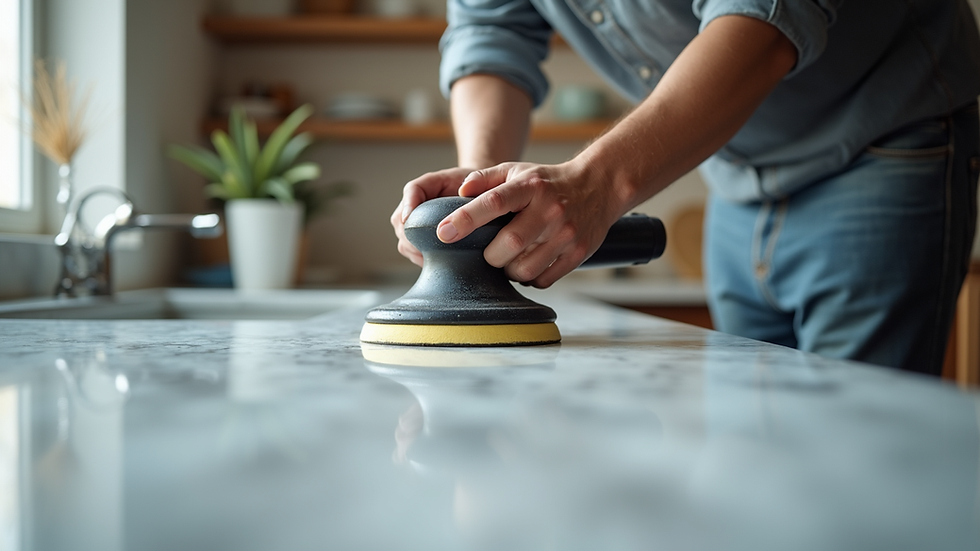
This step removes surface imperfections. Professionals use diamond pads of varying grits, starting coarse and moving to finer ones. Grinding removes deep scratches, while honing smooths the surface.
Step 4: Polishing
Polishing brings back the stone’s natural shine. It’s done with finer diamond abrasives or polishing powders. The goal is to achieve a smooth, reflective surface without over-polishing, which can thin the stone.
Step 5: Sealing
Apply a penetrating sealer that protects against stains and moisture. Sealers should be breathable to allow the stone to release moisture naturally. Reapply sealers every 1-3 years depending on use and exposure.
Step 6: Regular Maintenance
Clean spills immediately
Use pH-neutral cleaners
Avoid abrasive tools
Use mats or rugs in high-traffic areas
Practical Tips for Maintaining Restored Stone Surfaces
Restoration is just the beginning. To keep your stone surfaces looking pristine, follow these tips:
Use coasters and trivets on countertops to prevent stains and heat damage.
Avoid acidic substances like lemon juice or vinegar on marble.
Dust and mop regularly with soft cloths or microfiber mops.
Place rugs or mats in entryways to reduce dirt and grit.
Schedule professional polishing every few years to maintain shine.
If you own a yacht, saltwater and sun exposure can accelerate wear. Regular inspections and touch-ups are essential to protect your investment.
Why Professional Restoration is Worth It
While DIY methods might seem tempting, professional restoration offers several advantages:
Expertise: Professionals understand the nuances of different stones and damage types.
Proper equipment: Industrial-grade tools and diamond abrasives ensure effective and safe restoration.
Long-lasting results: Quality sealers and polishing techniques extend the life of your stone.
Time-saving: Restoration can be labor-intensive; professionals get it done efficiently.
Customized care: Tailored solutions for your specific stone and environment.
For high-end properties and yachts, the stakes are higher. You want flawless results that enhance your space’s luxury and value.
If you want to learn more about the detailed process and benefits, check out this natural stone restoration resource.
Caring for Your Stone Surfaces Every Day
After investing in restoration, daily care is key. Here’s a quick checklist:
Wipe spills immediately to prevent stains.
Use gentle, stone-safe cleaners.
Avoid harsh chemicals and abrasive pads.
Protect surfaces from heavy impacts.
Schedule routine inspections and maintenance.
By following these simple steps, your stone surfaces will continue to impress for years.
Restoring natural stone surfaces is a rewarding process that brings back the beauty and elegance of your home or yacht. With the right knowledge and care, these timeless materials can remain stunning and durable. Whether you choose professional help or want to understand the process better, remember that quality restoration is an investment in your property’s future.

Comments